

Discover the 5 best Exercises for Osteoperosis to improve bone strength, balance, and mobility while reducing fall risk. Safe, simple, and effective movements while overcoming obstacles to exercise.

Ok, so you want to exercise, but you have osteoporosis. What to do? While it’s certainly true you need to be very careful when exercising if you have osteoporosis, that doesn’t mean you still can’t enjoy yourself when doing exercises that have minimal impact on your bones.
Remember, before starting ANY kind of exercise, consult with your doctor to make sure they recommend it.
Osteoporosis doesn’t mean you have to stop moving—in fact, the right kind of movement can help you stay strong, stable, and confident. Weight-bearing and muscle-strengthening exercises play a key role in supporting bone health, improving balance, and reducing the risk of falls. In this post, we’re sharing the 5 best exercises for osteoporosis that are gentle, effective, and easy to modify for different ability levels. Whether you’re newly diagnosed or looking for safe ways to stay active, these exercises are designed to help you move with purpose and protect your bones for the long haul.
1. Sit-to-Stand (Chair Squats)
Why it matters: This is one of the best functional, weight-bearing exercises for bone density in the hips and spine.
- Strengthens legs and glutes
- Improves daily movement (getting up from chairs/toilets)
- Reduces fall risk
Tip: Use a chair for support and move slowly.
2. Wall Push-Ups
Why it matters: Strengthens the upper body without putting stress on the spine or wrists.
- Builds arm, shoulder, and chest strength
- Encourages upright posture
- Safe alternative to floor push-ups
Tip: Stand farther from the wall to increase difficulty.
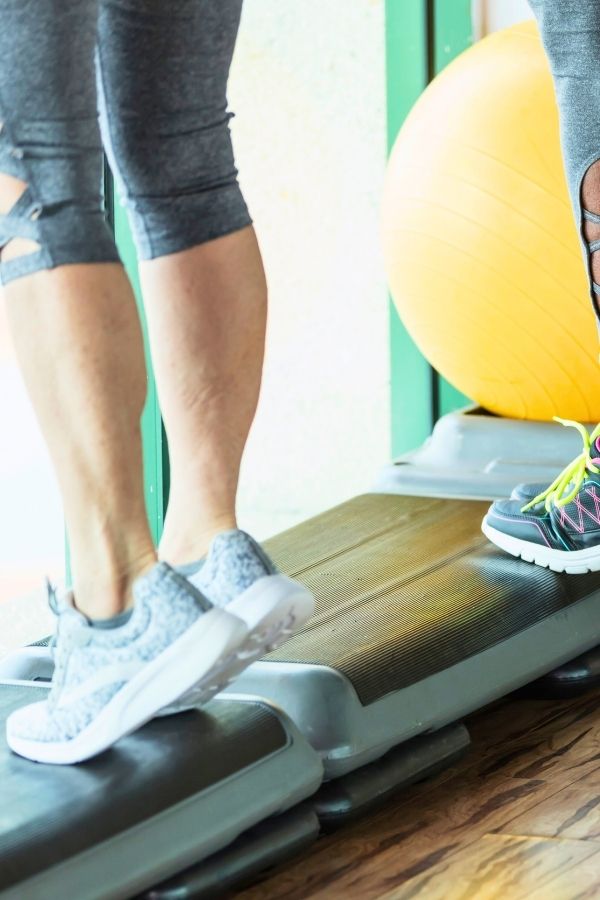
3. Heel Raises (Calf Raises)
Why it matters: Weight-bearing through the ankles and lower legs supports bone health and balance.
- Strengthens calves and ankles
- Improves stability while walking
- Helps prevent falls
Tip: Hold onto a chair or wall for balance.
4. Standing Hip Abduction (Side Leg Lifts)
Why it matters: Strong hips are essential for stability and fall prevention.
- Strengthens hip muscles
- Improves balance and gait
- Protects the hips, a common fracture site
Tip: Keep your torso tall—don’t lean.
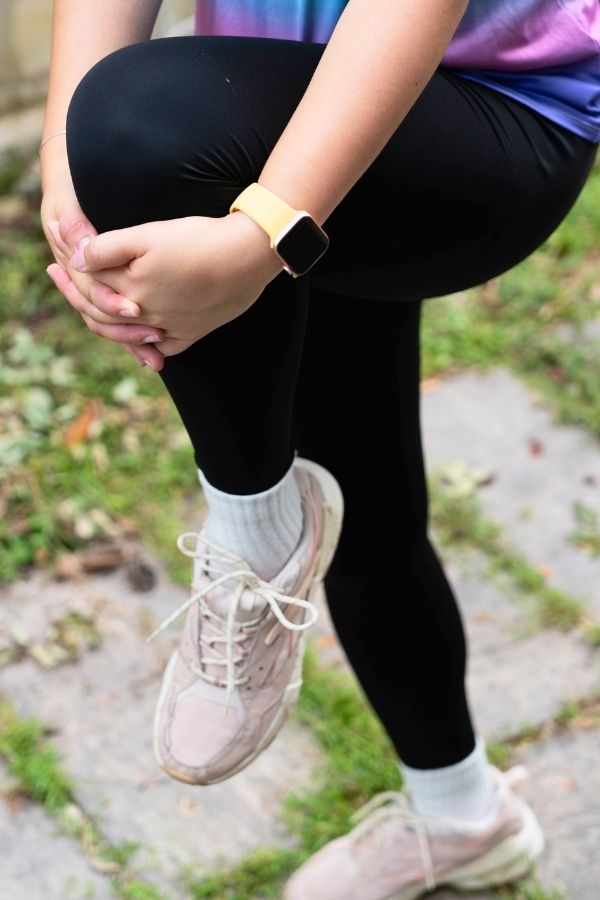
5. Single-Leg Balance Hold
Why it matters: Balance training is just as important as strength for osteoporosis.
- Reduces fall risk
- Improves coordination and confidence
- Engages stabilizing muscles
Tip: Start with just a few seconds and build up.
Exercises to Avoid or Modify
For osteoporosis, it’s generally recommended to avoid:
- Twisting movements under load
- Sit-ups or crunches
- Toe touches or deep forward bends
Staying active with osteoporosis is not only safe—it’s essential for maintaining bone strength, balance, and independence. This article highlights five effective, low-impact exercises that support bone health while minimizing the risk of injury. Each movement focuses on weight-bearing, muscle strengthening, or balance training, all of which play a key role in reducing fall risk and protecting vulnerable areas like the hips and spine.
The recommended exercises include sit-to-stands for functional leg strength, wall push-ups to build upper-body strength safely, heel raises to support ankle stability, standing hip abductions to strengthen the hips, and single-leg balance holds to improve coordination and confidence. Together, these exercises create a well-rounded routine that can be modified for different ability levels, making them ideal for older adults or anyone managing osteoporosis.


No comments! Be the first commenter?