

Staying active with safe exercises during pregnancy can be one of the best things you do for yourself and your baby. Exercise helps reduce aches, boosts energy, improves sleep, and prepares your body for labor and delivery. But it’s natural to wonder what’s safe and what isn’t when your body is going through so many changes.

The good news is that, with the approval of your healthcare provider, most women can and should stay active throughout pregnancy. The key is knowing which exercises are safe, how to modify your workouts, and when to listen to your body.
Why Exercise During Pregnancy Matters
Research shows that women who exercise during pregnancy often experience:
- Less back pain thanks to stronger core and postural muscles.
- Reduced risk of gestational diabetes because exercise helps regulate blood sugar.
- Easier labor and delivery due to improved endurance and muscle tone.
- Better mood and energy since physical activity releases feel-good endorphins.
- Faster postpartum recovery because the body stays strong and resilient.
Exercise isn’t just about physical health either—it can also reduce stress and improve mental wellbeing, which is invaluable during such a big life transition.
Remember, before starting ANY kind of exercise, consult with your doctor to make sure they recommend it.
General Safety Guidelines
Before jumping into specific exercises, keep these guidelines in mind:
- Always consult your doctor or midwife first: Every pregnancy is unique.
- Avoid lying flat on your back after the first trimester: This position can reduce blood flow.
- Stay cool and hydrated: Overheating can be risky for both mom and baby.
- Listen to your body: If something feels wrong, stop immediately.
- Avoid contact sports and high-risk activities: No soccer, basketball, skiing, or horseback riding.
- Modify intensity: Aim for moderate effort—think slightly breathless but still able to hold a conversation.
If you were active before pregnancy, you can often continue, just with modifications. If you’re starting fresh, ease in with gentle, low-impact activities.
Best Types of Exercise During Pregnancy
There are many safe options to stay active while pregnant. Here are the top choices that combine safety with effectiveness.
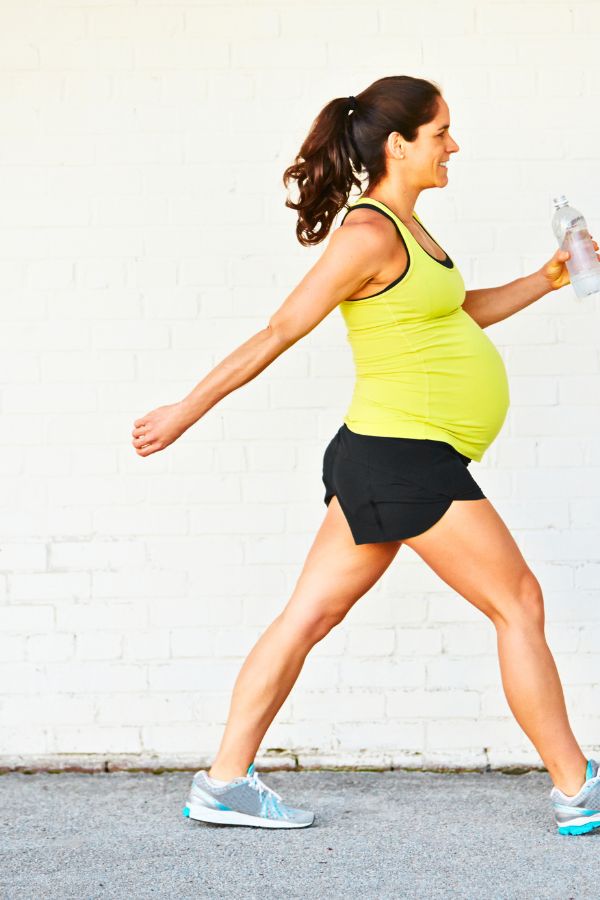
Walking
Walking is one of the simplest, safest, and most effective forms of exercise during pregnancy. It gets your heart rate up, strengthens your legs, and can be done almost anywhere. Even a brisk 20–30 minute walk a few times a week makes a big difference.
Swimming and Water Aerobics
Water supports your body weight, reducing strain on your joints while still giving you a great cardio and strength workout. Swimming is also fantastic for cooling you down, which is especially important during pregnancy.
Prenatal Yoga
Yoga is excellent for flexibility, relaxation, and stress relief. Prenatal-specific classes teach safe poses and breathing techniques that can even help during labor. Just avoid deep twists, lying flat on your back after the first trimester, or hot yoga classes.
Stationary Cycling
A stationary bike is a low-impact way to strengthen your legs and improve endurance without the risk of falls. Adjust the seat and handlebars so you feel comfortable as your belly grows.

Strength Training
Light strength training is safe and very beneficial during pregnancy. Focus on bodyweight movements or light dumbbells. Strengthening your back, legs, and core will help reduce pregnancy discomfort and prepare your body for carrying and delivering your baby.
Pilates
Prenatal Pilates emphasizes core and pelvic floor strength, which are crucial during pregnancy and recovery. Like yoga, choose prenatal-specific classes to ensure modifications are built in.
Safe Bodyweight Exercises
Here are some pregnancy-friendly bodyweight moves to strengthen your body without equipment:
Squats
Strengthen the legs and glutes while also helping prepare the pelvic floor for labor. Stand with feet hip-width apart, lower into a squat, then press back up.
Modified Push-Ups
Do push-ups on your knees or against a wall. This keeps pressure off your belly while still building upper body strength.
Cat-Cow Stretch
On hands and knees, arch your back up (cat), then drop your belly down while lifting your chest (cow). This relieves back tension and promotes spinal mobility.
Pelvic Tilts
Lying on your side or standing against a wall, gently tilt your pelvis forward and back. This strengthens your lower back and improves posture.
Side-Lying Leg Lifts
Lie on your side with knees bent and lift your top leg a few inches, then lower. Great for strengthening outer hips and stabilizers.
Core and Pelvic Floor Work
Many women worry about core training during pregnancy, but it’s not only safe—it’s important. A strong core supports your growing belly and reduces back strain.
Pelvic Floor Exercises (Kegels)
Squeeze and lift your pelvic floor muscles (like you’re stopping urine mid-flow), hold for a few seconds, then release. Repeat 10–15 times a few times a day.
Seated Knee Lifts
Sit tall in a chair, lift one knee slightly, hold, then lower. This engages the deep core muscles without straining the belly.
Avoid traditional crunches or sit-ups, which can put too much pressure on the abdominal wall.
Exercises to Avoid
Some movements are best skipped during pregnancy because they carry higher risks:
- High-impact activities like jumping, running sprints, or plyometrics (unless approved by your doctor).
- Contact sports where you could get hit in the belly.
- Activities with a high risk of falling such as skiing, gymnastics, or outdoor cycling in traffic.
- Heavy lifting with poor form that strains your back or core.
- Deep backbends or twists in yoga or stretching routines.
Your goal isn’t to push your limits—it’s to maintain health and strength safely.
Listening to Your Body
One of the most important skills during pregnancy is tuning in to your body’s signals. Signs you should stop exercising immediately include:
- Dizziness or feeling faint
- Shortness of breath before starting activity
- Chest pain or heart palpitations
- Uterine contractions or vaginal bleeding
- Leaking fluid
- Severe headache or vision changes
If any of these happen, contact your healthcare provider right away.
A Sample Prenatal Workout
Here’s a simple 20–30 minute workout you can try at home:
- Warm-up: 5 minutes of gentle marching in place or walking.
- Squats: 2 sets of 10–12 reps.
- Wall Push-Ups: 2 sets of 10–12 reps.
- Cat-Cow Stretch: 8–10 slow rounds.
- Side-Lying Leg Lifts: 2 sets of 8–10 per side.
- Pelvic Tilts: 10–12 reps.
- Cool-down: Gentle stretches for hips, chest, and back.
This routine strengthens key muscles, promotes mobility, and supports relaxation.
Staying Motivated
Exercising while pregnant isn’t always easy—fatigue, nausea, and physical changes can make motivation tough. Here are some tips to stay consistent:
- Keep it short: Even 10 minutes is better than nothing.
- Find a buddy: Exercising with a friend or partner adds accountability.
- Choose activities you enjoy: If you love swimming, do that instead of forcing yourself into workouts you dislike.
- Focus on how it feels: Instead of chasing fitness goals, focus on energy, stress relief, and preparing your body for birth.
Pregnancy is a time of incredible change, but it doesn’t mean you have to stop moving. Safe exercises like walking, swimming, yoga, and bodyweight strength training can help you feel strong, reduce discomfort, and prepare for labor and recovery.
The key is listening to your body, modifying as needed, and always checking with your healthcare provider before starting or continuing a program. By staying active, you’re not only supporting your own health—you’re also creating a stronger, healthier environment for your baby.
So lace up your sneakers, roll out your yoga mat, or hop in the pool—safe, gentle movement is one of the best gifts you can give yourself during pregnancy.


No comments! Be the first commenter?