

Using massage for stress and anxiety is a great way to manage it for overall well-being. From busy schedules and demanding jobs to family responsibilities and financial worries, it can feel like stress is an unavoidable part of life. While some stress is natural, too much can take a toll on your mental and physical health.
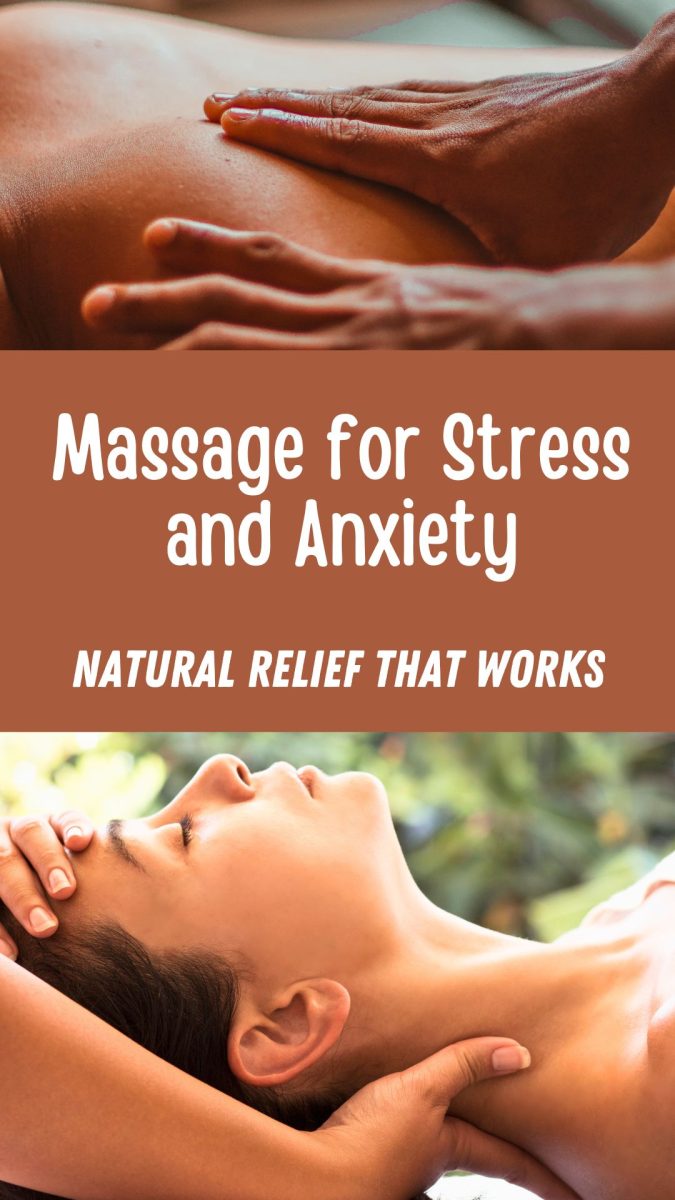
One powerful, natural method that has been used for centuries is massage therapy. Massage is far more than a luxury spa treatment, it is a therapeutic practice with proven benefits for calming the mind and reducing stress. This article explores how massage can help relieve stress and anxiety, the different types of massage available, and how you can incorporate it into your wellness routine.
The Connection Between Stress, Anxiety, and the Body
Stress and anxiety are not just mental experiences—they affect the entire body. When you feel stressed, your body releases hormones like cortisol and adrenaline, triggering the fight-or-flight response. While this reaction is helpful in short bursts, chronic stress can cause physical issues such as muscle tension, headaches, digestive problems, and trouble sleeping.
Anxiety often compounds the problem. It can lead to rapid heart rate, shallow breathing, and an overactive nervous system, leaving you feeling restless and drained. Because massage directly addresses the body, it provides a powerful way to interrupt this cycle and encourage relaxation.
How Massage Relieves Stress and Anxiety
Massage works by stimulating the body’s parasympathetic nervous system—the branch responsible for rest and relaxation. Through gentle manipulation of muscles and tissues, massage helps lower heart rate, reduce blood pressure, and decrease cortisol levels. At the same time, it boosts serotonin and dopamine, neurotransmitters that elevate mood and promote a sense of well-being.
Massage also loosens tight muscles, relieves tension, and improves circulation, all of which contribute to a calmer state of mind. Many people notice that even a short massage session leaves them feeling lighter, more centered, and better able to handle life’s challenges.
Types of Massage for Stress and Anxiety
Not all massages are the same, and certain techniques are especially effective for stress and anxiety relief. Some of the most popular include:
Swedish Massage
Swedish massage is the most common type, known for its gentle, flowing strokes. It promotes overall relaxation, eases muscle tension, and improves circulation, making it a great choice for reducing stress.
Deep Tissue Massage
Deep tissue massage targets the deeper layers of muscles and connective tissue. While it’s more intense, it can release chronic tension and knots caused by long-term stress.
Aromatherapy Massage
This type combines traditional massage with essential oils like lavender, chamomile, or eucalyptus, which have calming properties that enhance relaxation and reduce anxiety.
Hot Stone Massage
Smooth, heated stones are placed on the body to release deep muscle tension and encourage relaxation. The warmth is especially soothing for both the body and the mind.
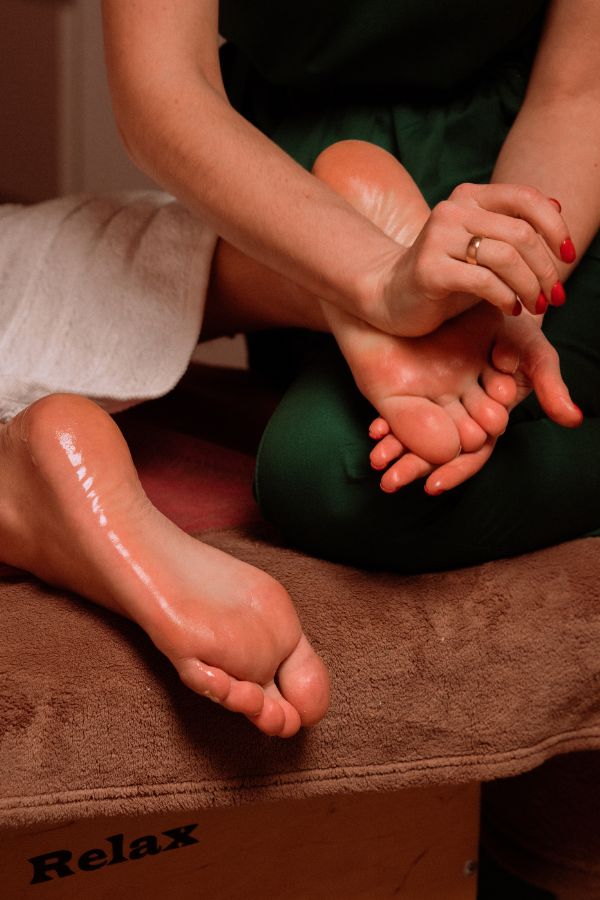
Reflexology
This technique focuses on applying pressure to specific points on the feet, hands, or ears that correspond to different organs and systems. Reflexology is deeply relaxing and can help calm an overactive nervous system.
Thai Massage
Thai massage involves stretching and pressure techniques that help relieve tension and restore balance. It also increases energy flow, leaving you both relaxed and revitalized.
The Science Behind Massage and Mental Health
Research supports what many people have experienced firsthand—massage therapy helps reduce symptoms of stress and anxiety. Studies show that massage lowers cortisol levels, boosts serotonin and dopamine, and improves sleep quality. These effects combine to create a powerful tool for managing both everyday stress and clinical anxiety.
In fact, massage therapy is increasingly being used in healthcare settings as a complementary treatment for anxiety disorders, depression, and even post-traumatic stress disorder (PTSD). Patients often report improvements not only in their mood but also in physical symptoms linked to stress, such as headaches, back pain, and insomnia.
Incorporating Massage Into Your Wellness Routine
While even a single massage can provide relief, the benefits are most noticeable when massage is incorporated regularly into your routine. Depending on your lifestyle and needs, you might schedule sessions weekly, biweekly, or monthly.
In between professional sessions, you can also practice simple self-massage techniques at home. Using your hands, foam rollers, or massage tools, you can target areas where stress tends to accumulate, such as the neck, shoulders, and back.
Pairing massage with other relaxation techniques—like deep breathing, meditation, yoga, or aromatherapy—can enhance the benefits even further.
Massage as a Form of Self-Care
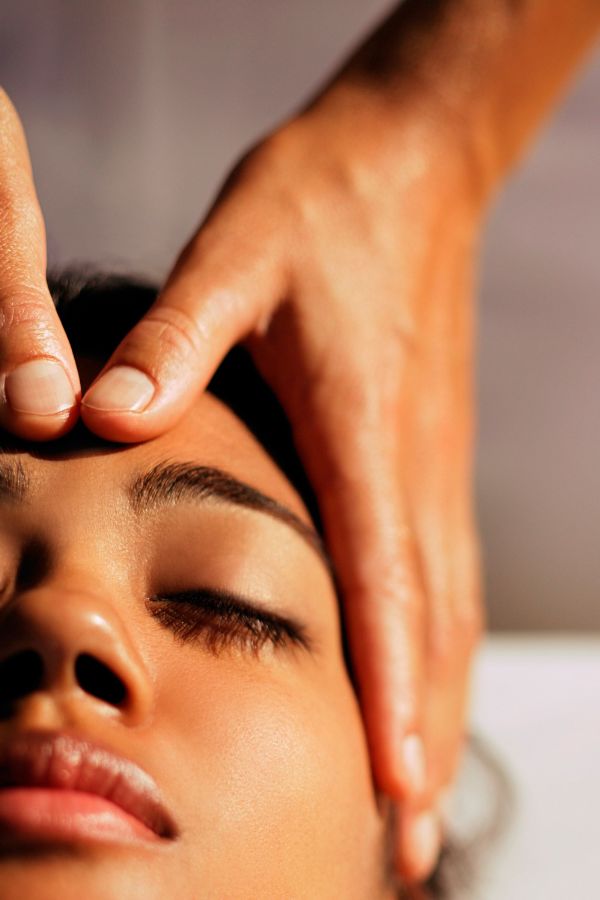
Self-care is more important than ever in a fast-paced world, and massage offers an intentional way to pause, breathe, and reconnect with your body. For many people, booking a massage session is a reminder to prioritize their well-being and carve out time for rest.
Unlike medications that may carry side effects, massage is a natural and holistic approach that empowers you to take control of your stress. It nurtures both the body and the mind, leaving you with a greater sense of balance and resilience.
Who Can Benefit From Massage for Stress Relief?
Massage is safe and beneficial for most people, though certain health conditions may require consultation with a healthcare professional. Those who can especially benefit include:
- People with high-stress jobs or busy schedules
- Students facing academic pressure
- Parents and caregivers juggling multiple responsibilities
- Individuals with anxiety disorders or chronic stress
- Seniors experiencing tension and sleep difficulties
With its wide-ranging benefits, massage is a versatile therapy that can be adapted to meet the needs of virtually anyone seeking natural relief.



No comments! Be the first commenter?