
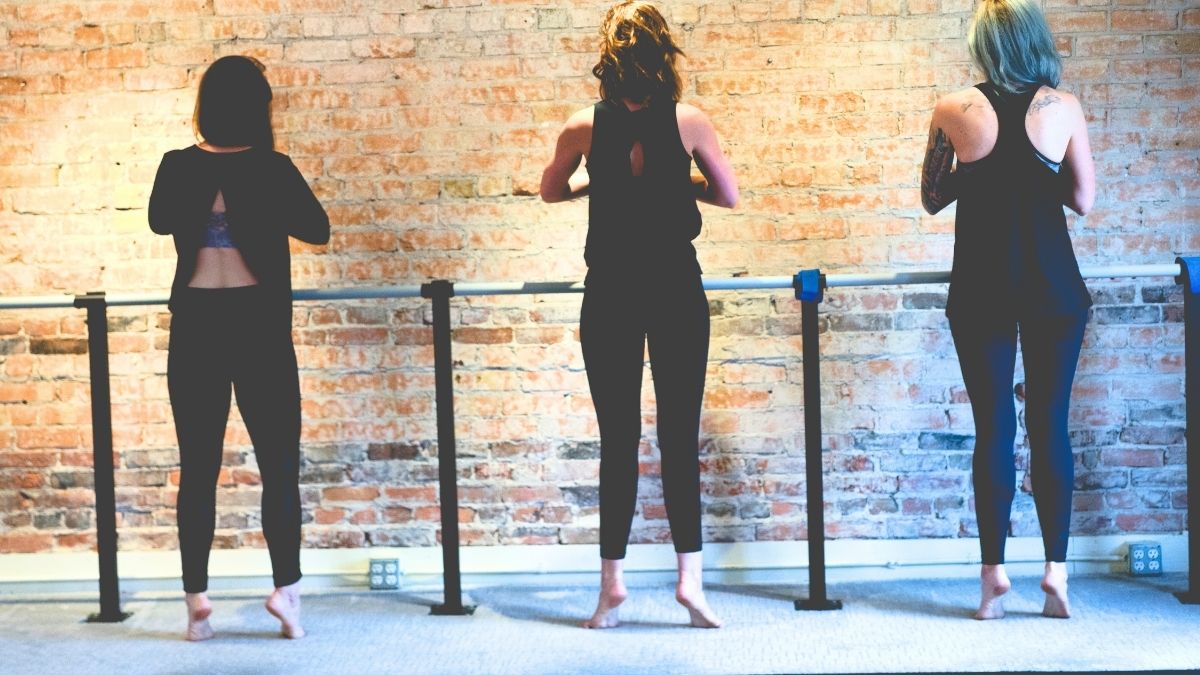
Calf raises might look simple, but they’re one of the most overlooked exercises in a well-rounded fitness routine. This straightforward movement supports daily life, athletic performance, and long-term joint health—all without fancy equipment.
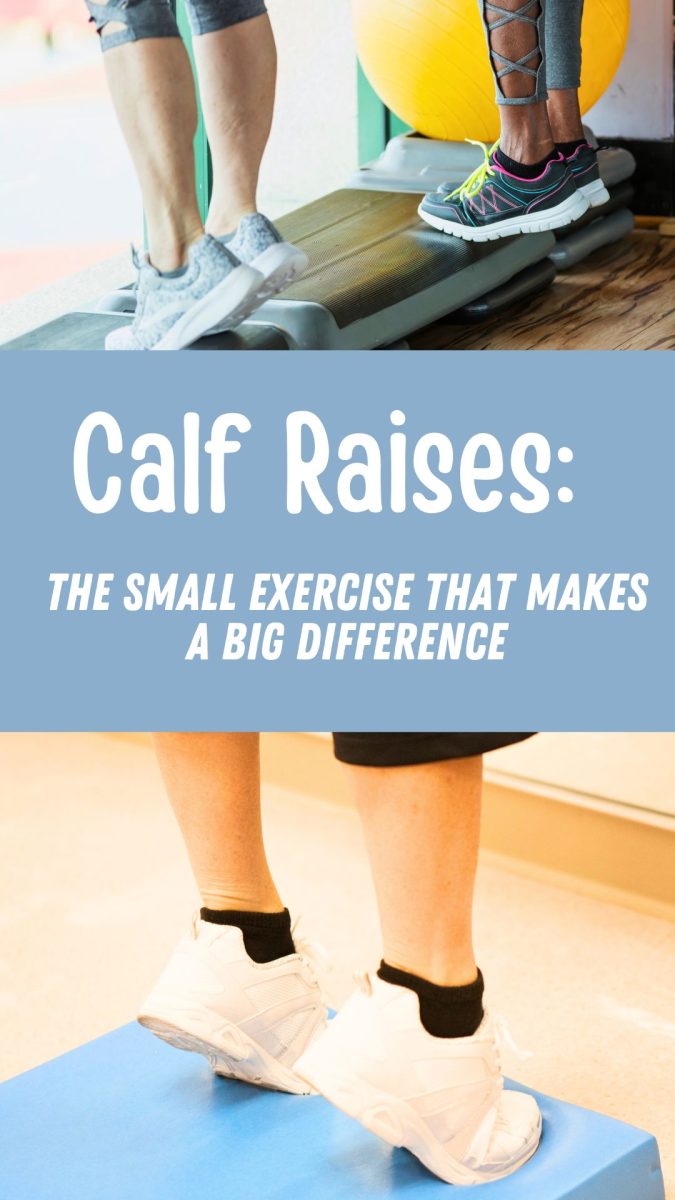
What Muscles Do Calf Raises Work?
Calf raises primarily target two muscles in the lower leg:
The gastrocnemius, which is the larger muscle you see on the back of the leg and helps with powerful movements like pushing off while walking or climbing stairs.
The soleus, which sits underneath and plays a huge role in endurance, posture, and standing for long periods.
Together, these muscles help stabilize your ankles, support your knees, and assist with balance.
Why Calf Strength Is So Important
Strong calves help with everyday movement. Each step you take relies on your calves to lift your heel and propel you forward. Weak calves can contribute to fatigue, poor posture, and even discomfort in the knees, hips, or lower back.
They also play a major role in balance and fall prevention. As we age, ankle strength and stability become critical. Calf raises are a simple way to maintain that foundation.
For active individuals, strong calves can improve walking efficiency, running form, and overall endurance. For beginners, they build confidence and lower-body awareness.
How to Do a Basic Calf Raise
Stand tall with your feet about hip-width apart. Hold onto a wall, chair, or counter if needed for balance. Slowly press through the balls of your feet and lift your heels off the floor. Pause briefly at the top, then lower your heels back down with control.
Move slowly and intentionally. The goal isn’t speed—it’s control.
Seated and Supported Options
Calf raises can be done seated by placing your feet flat on the floor and lifting your heels while keeping your toes down. This is a great option for beginners, seniors, or anyone working through joint pain.
Holding onto support doesn’t make the exercise easier in a bad way—it makes it safer and more accessible.
Common Mistakes to Avoid
Bouncing at the top instead of lifting with control reduces the effectiveness of the movement.
Leaning forward or locking the knees can shift the work away from the calves.
Rushing through repetitions often means the muscles aren’t fully engaged.
Slow, steady reps win here.

How Many Should You Do?
Start with 10 to 15 controlled repetitions. One to three sets is plenty, depending on your fitness level. You can perform calf raises a few times per week or even daily if they’re gentle and controlled.
They’re easy to add to warm-ups, cool-downs, or short movement breaks throughout the day.
Simple Ways to Make Calf Raises Harder
Once the movement feels easy, you can increase the challenge by holding the top position longer, performing them on one leg at a time, or slowing down the lowering phase. Even small changes can make a big difference.
A Small Movement With Big Payoff
Calf raises may not feel flashy, but they’re one of those exercises that quietly supports everything else you do. From walking and standing to balance and strength, this simple movement builds a strong foundation you can rely on.
Sometimes the most effective exercises are the ones that look the easiest—but deliver the biggest long-term benefits. Even if you are struggling with health issues such as osteoperosis.


No comments! Be the first commenter?